For most of modern history, human identity has been tied to one question:
“What do you do for work?”
Your job defined your status.
Your income defined your worth.
Your profession defined your identity.
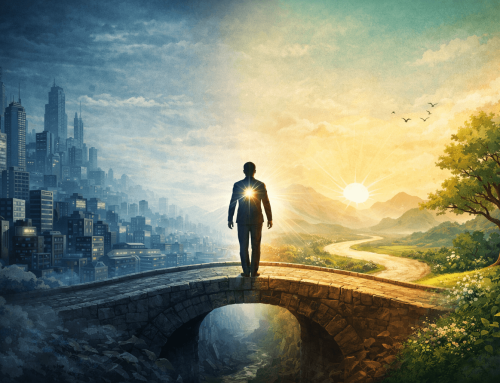
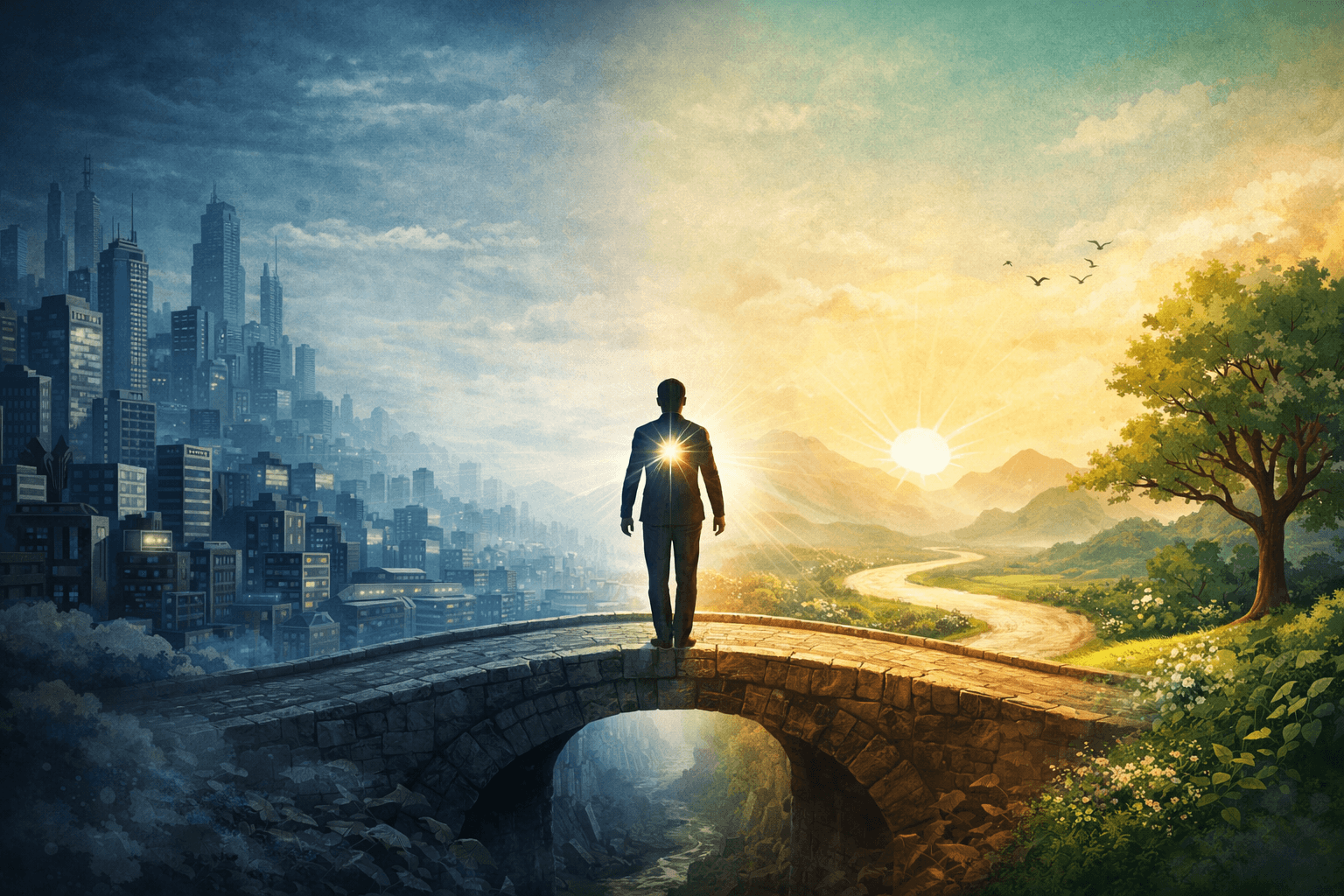
But that structure is beginning to crack.
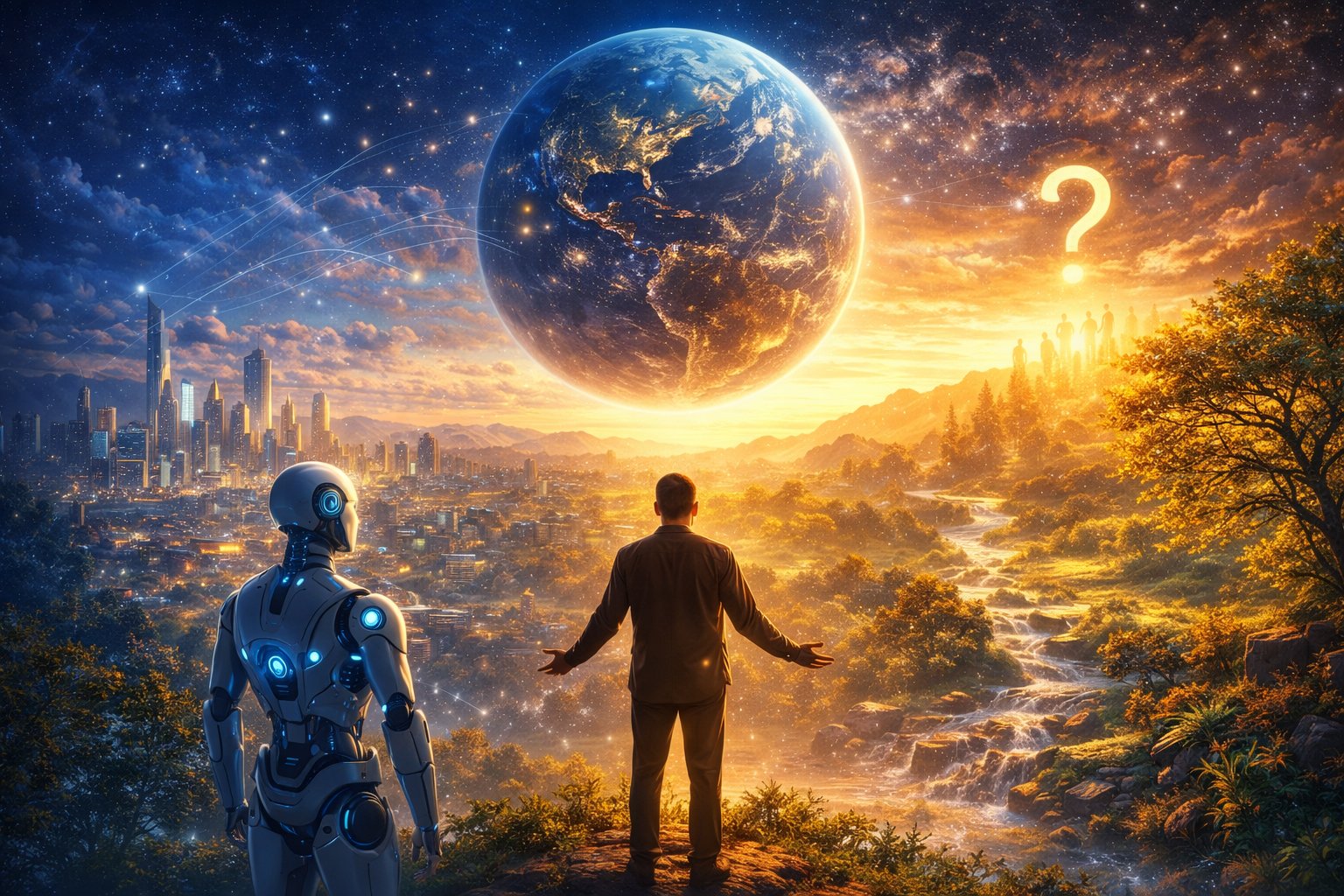
Automation, artificial intelligence, and global technological acceleration are quietly reshaping the foundations of work itself. Tasks that once required thousands of workers can now be performed by software, algorithms, and machines.
The industrial model of life — education → job → retirement — is becoming unstable.
And while this creates uncertainty, it also opens the door to something remarkable:
a renaissance of human creativity.
The End of the Productivity Era
For over a century, society has optimized human beings for productivity.
Schools trained people to follow instructions.
Companies trained people to specialize.
Institutions trained people to fit into systems.
Efficiency became the primary goal.
But as machines become better at productivity than humans, the economic value of purely mechanical work declines.
This forces a fundamental question:
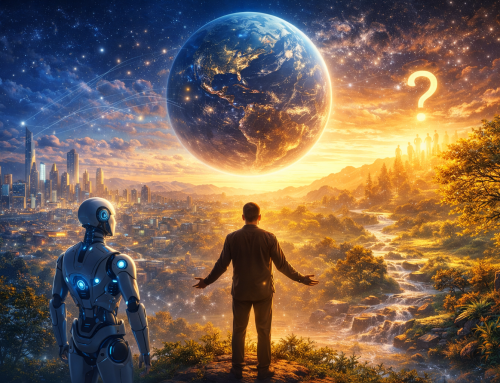
If machines perform the tasks of production, what becomes uniquely human?
The answer is surprisingly simple.
Creation.
Humans Are Natural Creators
Long before factories and corporate hierarchies, humans survived through creativity.
They built tools.
Invented language.
Painted caves.
Developed agriculture.
Designed communities.
Human progress has always been driven by people who imagined something that did not yet exist.
But the modern world slowly turned many people into operators of systems rather than creators within them.
The emerging post-work world may reverse that trend.
As routine tasks become automated, the uniquely human abilities rise in importance:
-
imagination
-
storytelling
-
design
-
philosophy
-
invention
-
cultural creation
-
problem solving
-
community building
These are not mechanical skills.
They are creative expressions of identity.
The Creator Economy Is Just the Beginning
We are already seeing the early signs of this shift.
Writers, artists, educators, designers, developers, and thinkers are building independent creative ecosystems online.
The so-called “creator economy” is expanding rapidly.
But this is only the early stage.
The deeper transformation is psychological.
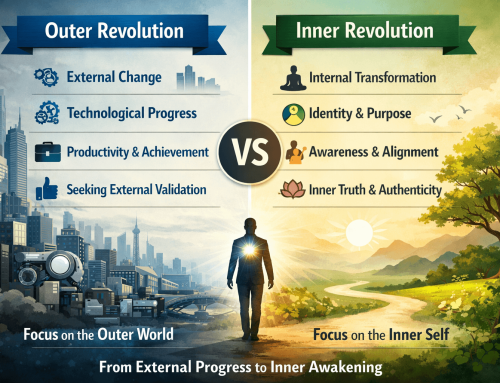
For the first time in modern history, large numbers of people may need to redefine themselves not as workers, but as creators of value in new forms.
That shift is not just economic.
It is identity-based.
Why Many People Will Struggle
The post-work transition will not be easy for everyone.
For generations, people have been conditioned to measure themselves through employment.
When that structure weakens, many people experience confusion:
-
Who am I if my job disappears?
-
What gives my life meaning?
-
How do I contribute?
Without a clear identity beyond work, the transition can feel destabilizing.
This is where a deeper framework becomes necessary.
The Role of the Identity Awakening System
The Identity Awakening System (IAS) is designed for exactly this kind of moment.
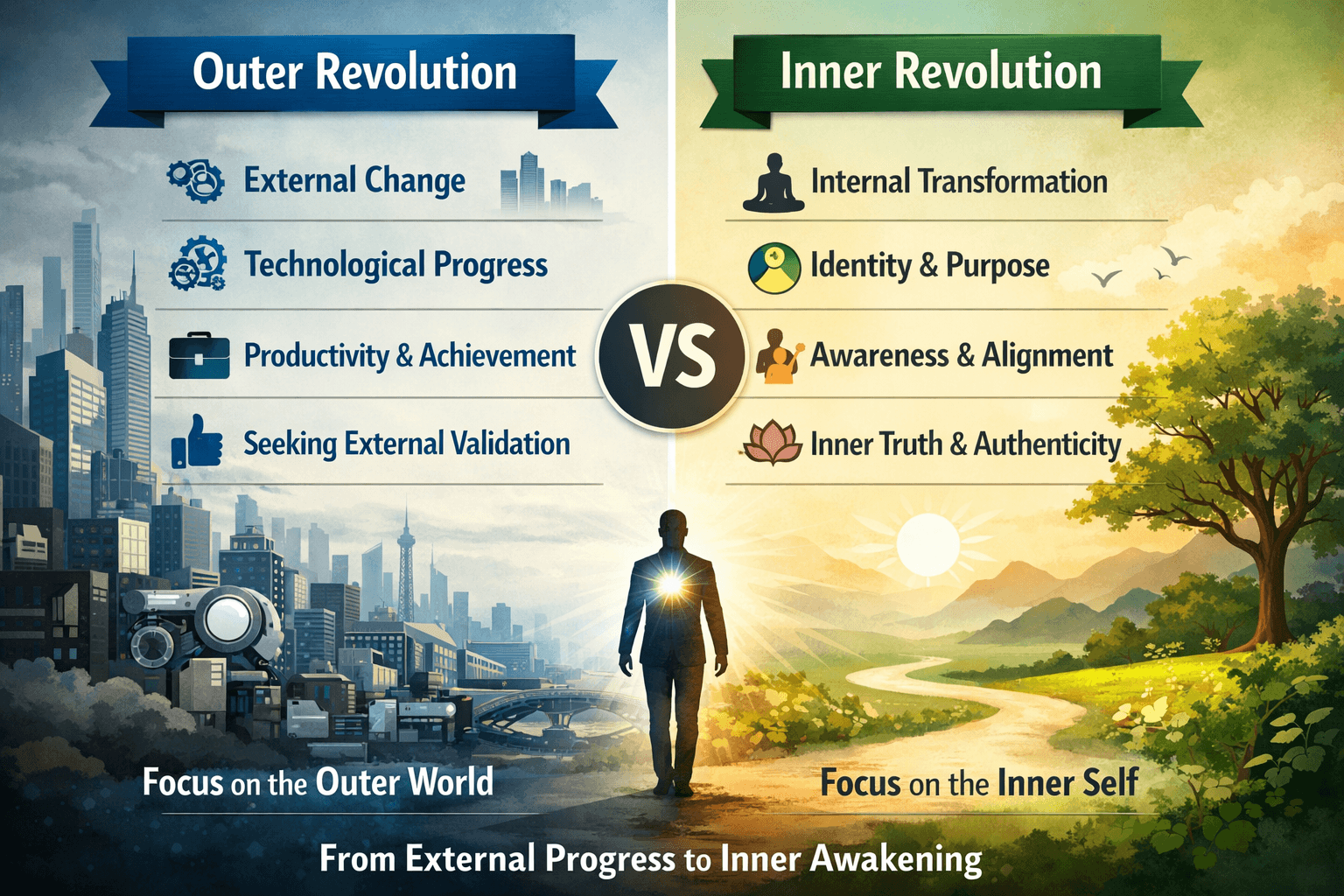
IAS does not focus on productivity or career strategy.
Instead, it focuses on something more fundamental:
identity alignment.
In a post-work world, the most valuable question is not:
“What job should I get?”
It becomes:
“What wants to be created through me?”
IAS helps individuals explore that question through structured reflection and identity awareness.
Rather than forcing people into predefined roles, IAS helps them recognize:
-
their natural interests
-
their creative impulses
-
their deeper motivations
-
the direction that feels authentic
This allows individuals to move from passive consumption to active creation.
The Garden of the Future
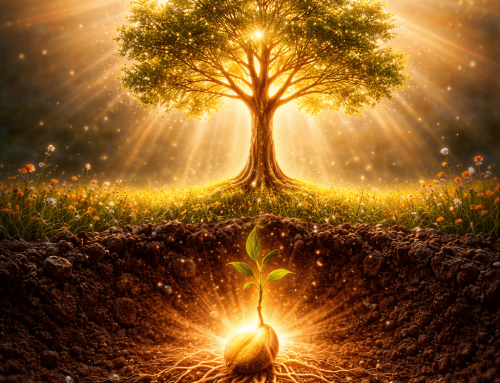
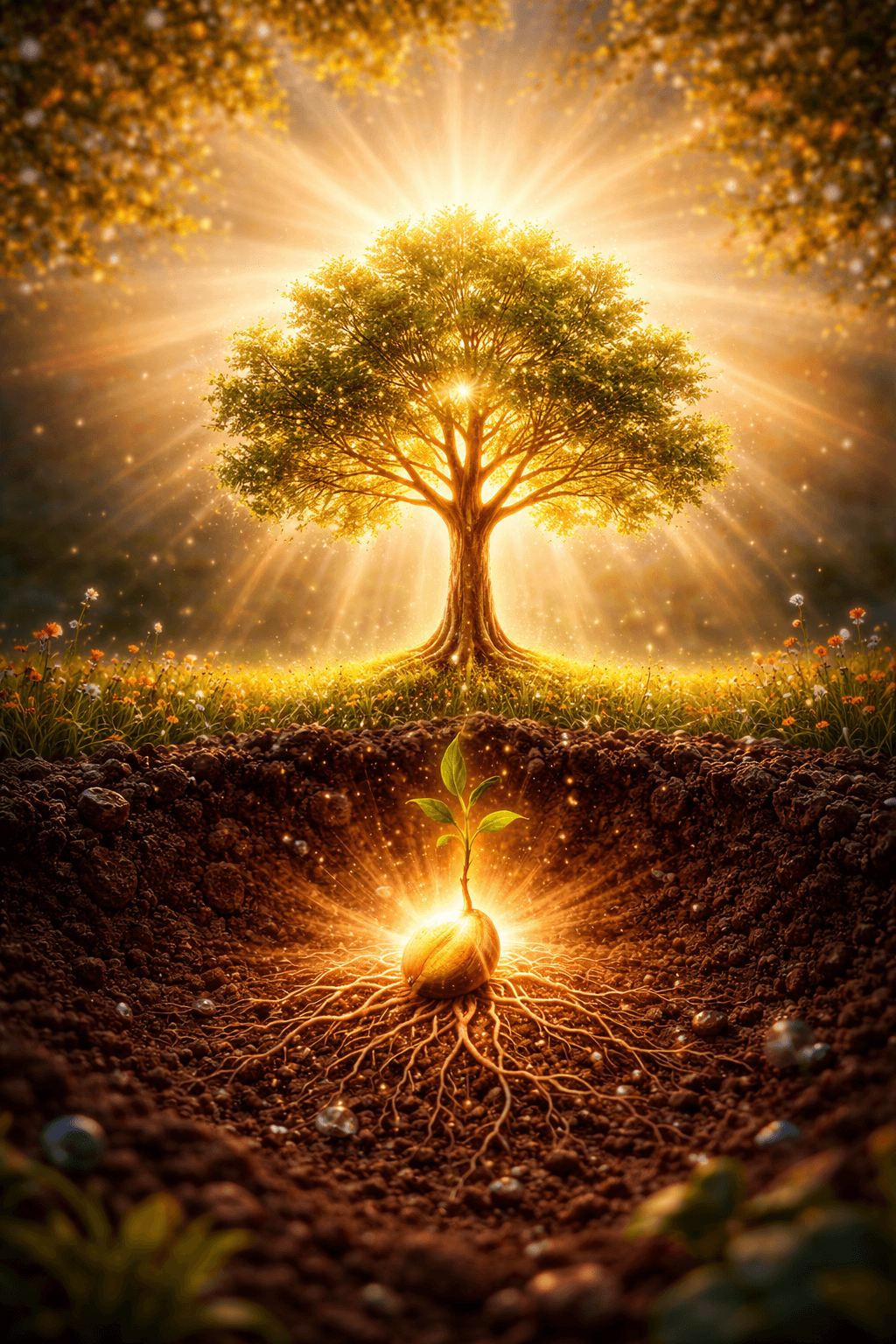
IAS often uses the metaphor of a garden.
The industrial age treated people like workers in a machine.
The post-work renaissance may treat life more like a garden.
Instead of fitting into rigid roles, people will cultivate:
-
ideas
-
projects
-
communities
-
creative expressions
-
meaningful contributions
Some gardens will grow businesses.
Others will grow art, technology, philosophy, or social innovation.
But the common thread will be creation instead of passive consumption.
A New Renaissance
The Renaissance of the 15th and 16th centuries unleashed a flowering of art, science, and philosophy after centuries of rigid structures.
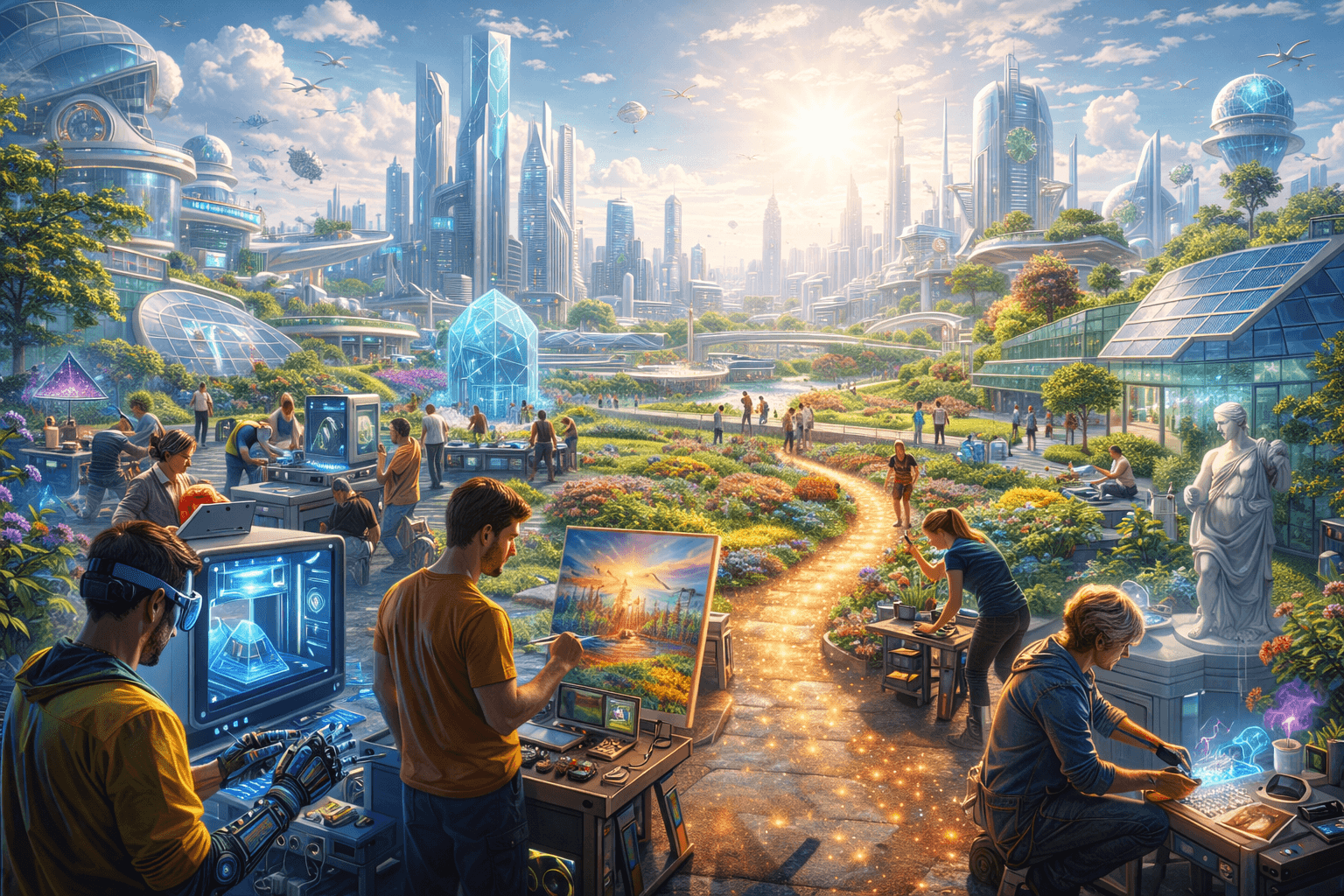
The coming transformation could spark a similar awakening.
Freed from purely mechanical labor, humanity may rediscover something it has always possessed:
the ability to imagine and create new worlds.
But this renaissance will not happen automatically.
It will depend on individuals rediscovering their creative identity.
That journey begins with a simple shift.
From consumer…
to creator.
And from there, the future becomes something we actively shape.