Modern life has perfected one thing above all else:
Consumption.
Every day we are invited—often encouraged—to consume more.
-
more content
-
more entertainment
-
more products
-
more opinions
-
more outrage
-
more distraction
Our screens scroll endlessly.
Our news feeds never stop.
Our streaming services never run out.
And yet something strange is happening.
Despite unlimited stimulation, many people feel:
-
restless
-
anxious
-
disengaged
-
or quietly depressed
The reason is simple.
Humans were not designed to live primarily as consumers.
The Passive Life Problem
For most of human history, people were creators by necessity.
They built things.
They made things.
They solved problems in real time.
Daily life required creativity:
-
farming
-
building
-
storytelling
-
inventing tools
-
crafting objects
-
organizing communities
Creation was woven into everyday life.
But modern systems have slowly shifted us toward passivity.
Instead of creating our world, we increasingly observe it.
Instead of shaping culture, we consume culture.
Instead of building meaning, we scroll through other people’s lives.
This creates a subtle psychological imbalance.
The Brain Needs Creation
Human beings thrive when they feel agency.
Agency means:
-
the ability to shape something
-
the ability to influence outcomes
-
the ability to express ideas in the real world
Creation activates these deep human drives.
When you create, your brain experiences:
-
curiosity
-
purpose
-
problem-solving
-
progress
-
contribution
When you only consume, those systems remain dormant.
The result is a strange paradox of modern life:
We are surrounded by stimulation but starved of meaning.
The Consumer Economy
The modern economy quietly benefits from passive individuals.
Consumers are predictable.
Creators are unpredictable.
Consumers watch.
Creators build.
Consumers follow trends.
Creators start them.
Consumers absorb information.
Creators transform it into something new.
This is why modern life often pushes people toward comfort, distraction, and convenience.
It is easier to maintain a consumer than to nurture a creator.
The Identity Shift
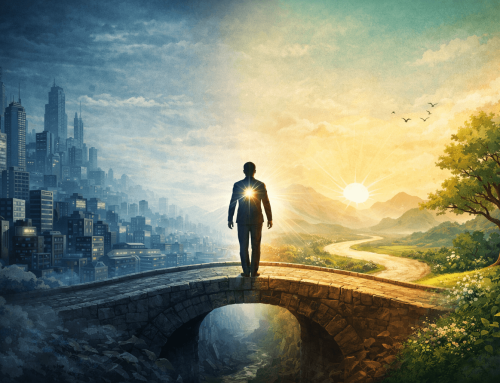
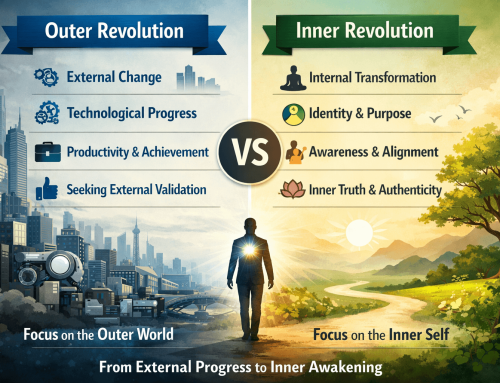
This is where the Identity Awakening System (IAS) becomes powerful.
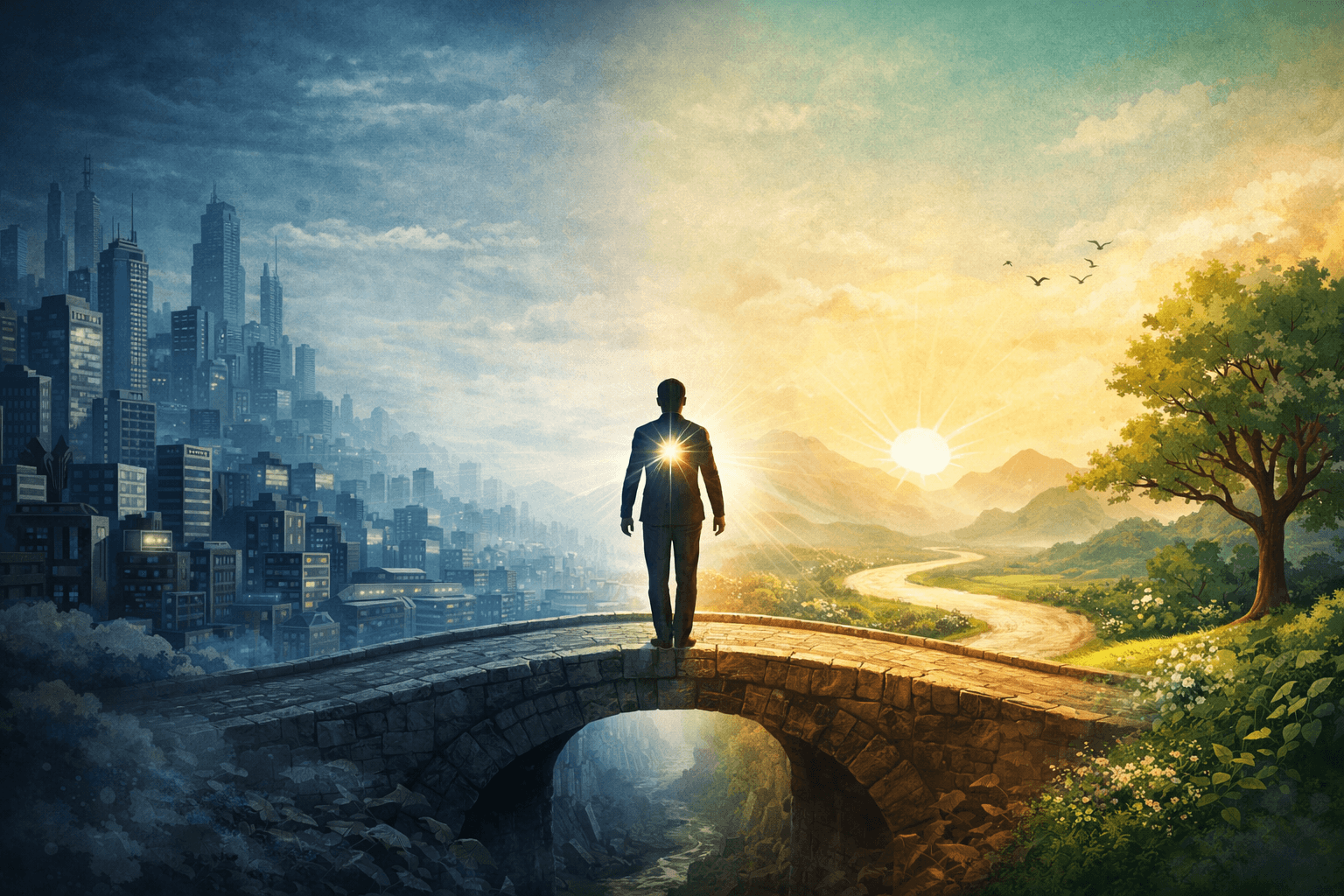
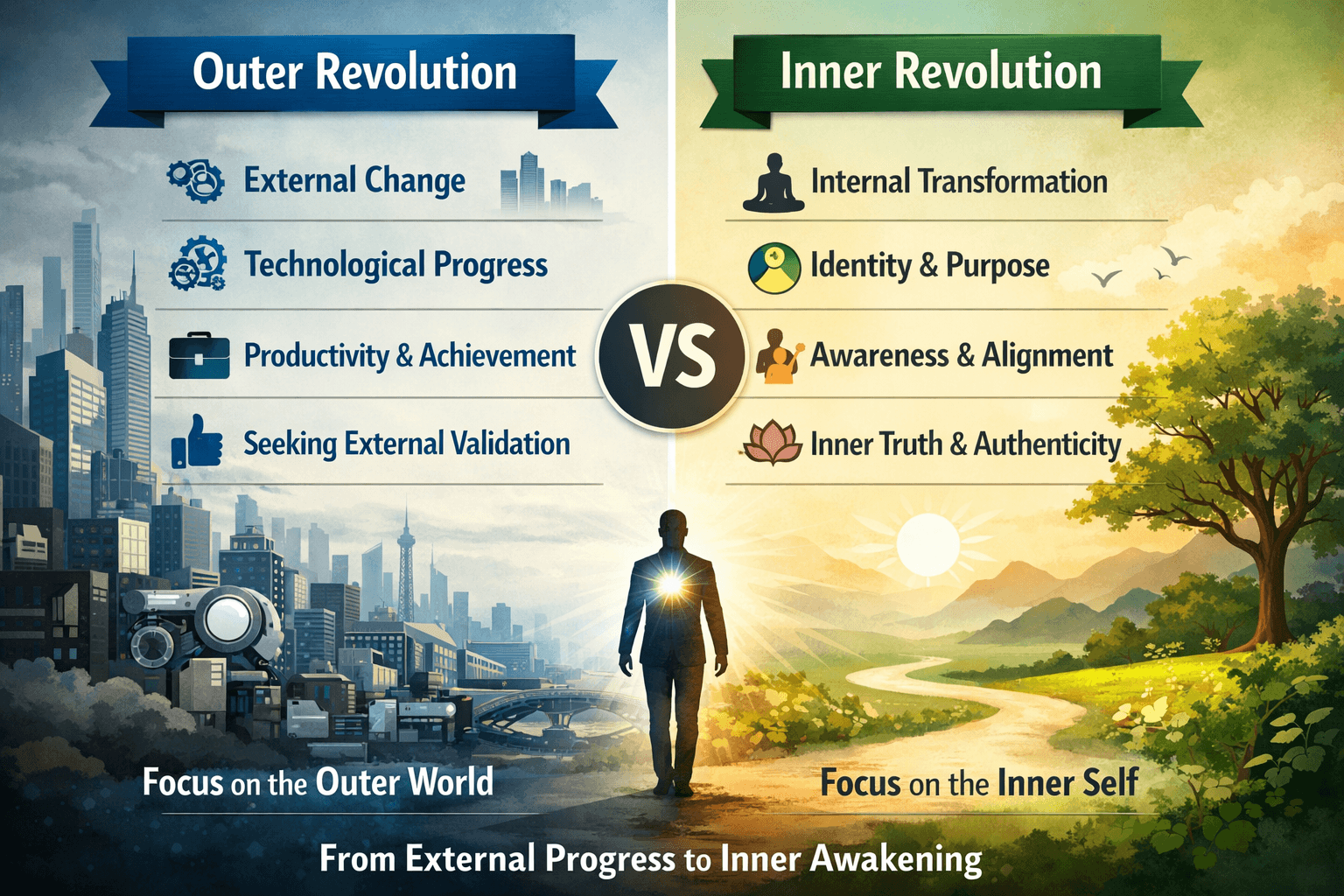
IAS encourages a shift from the consumer identity to the creator identity.
Instead of asking:
“What should I watch next?”
“What should I buy next?”
“What should I read next?”
IAS encourages a deeper question:
“What wants to be created through me?”
This question changes everything.
Because once you begin creating—even in small ways—you reconnect with your natural design.
The Garden of Creation
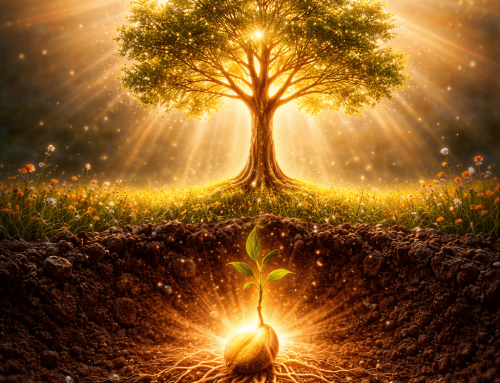
IAS often uses the metaphor of a garden.
A consumer walks through life like a visitor in someone else’s garden.
They admire the flowers.
They photograph the scenery.
They comment on what others have grown.
But a creator becomes the gardener.
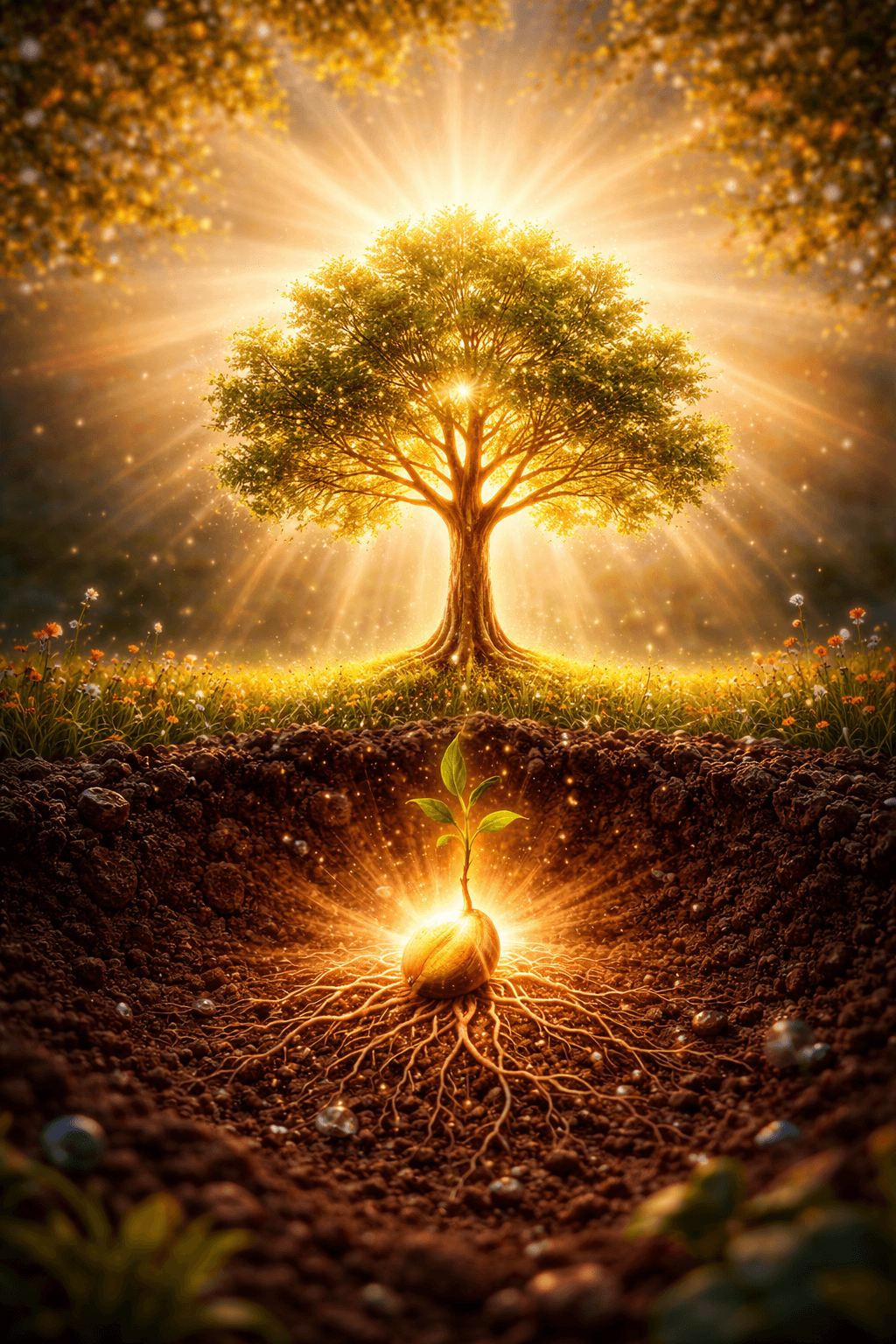
They plant seeds.
Ideas.
Projects.
Businesses.
Art.
Communities.
Creation transforms life from something you observe into something you cultivate.
The Next Small Creation
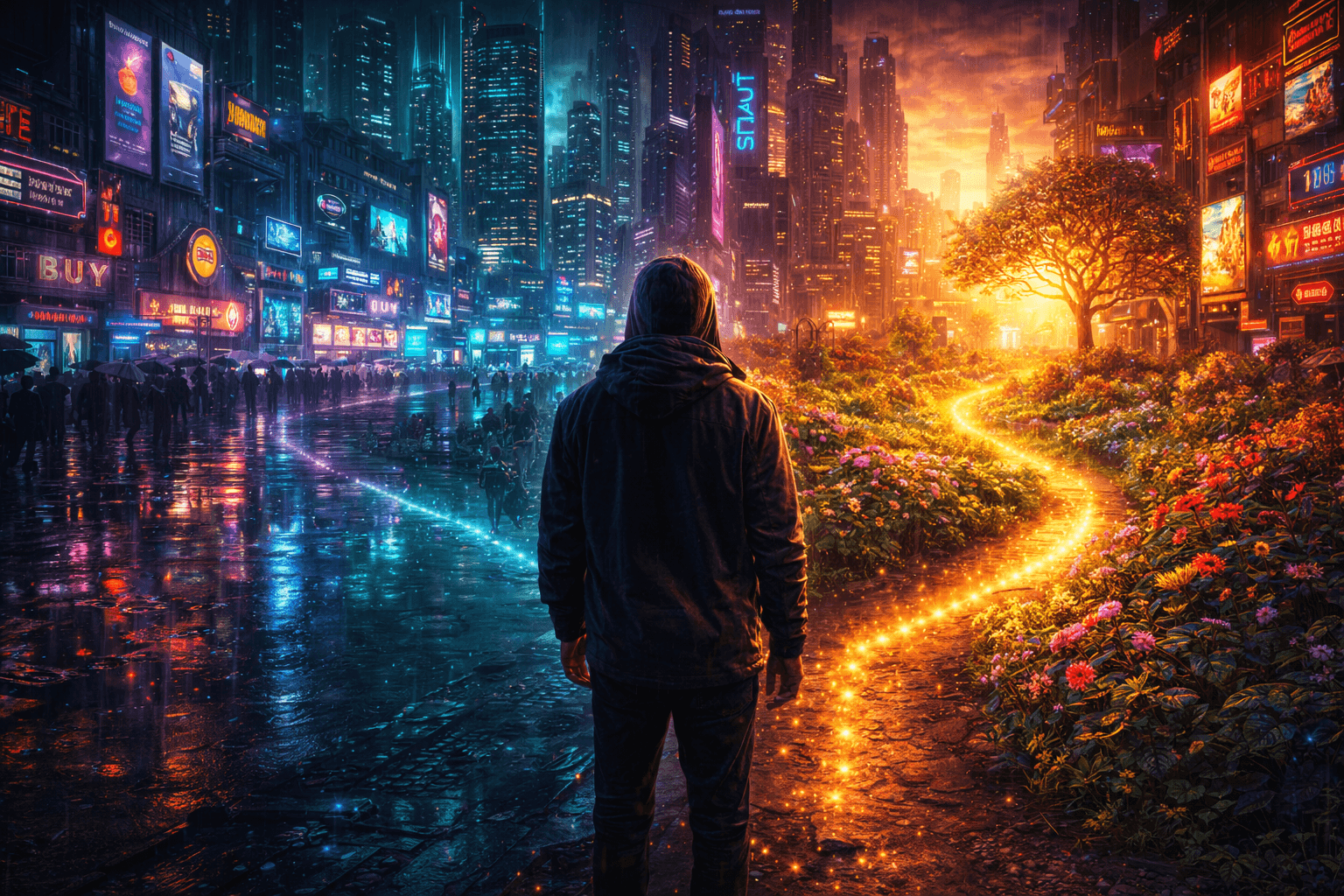
You do not need to escape modern life to reconnect with creativity.
You simply need to begin planting.
Write something.
Design something.
Build something.
Grow something.
Teach something.
The size of the creation does not matter.
What matters is that you are participating in shaping the world rather than passively consuming it.
The Identity Awakening System helps people rediscover this shift.
Not through pressure or productivity hacks.
But by helping them notice the small seeds of creation already waiting inside them.
Because deep down, your soul does not want another thing to consume.
It wants something to create.