
How We Lost It, Why Creativity Collapsed — and How We Find Our Way Back
This is an important article, and I want to be clear about where it is going.
First, we’ll look at how modern life has quietly pulled us away from our sense of identity.
Second, we’ll explore why this is not a minor issue, but a critical one — especially when it comes to creativity, meaning, and purpose.
Finally, we’ll look at what it means to restore identity, and why systems like the Identity Awakening System (IAS) are becoming essential in this moment of change.
This is not about blame.
It is about understanding impact — so we can reclaim what matters most.
Part 1: How We Became Detached from Identity
Most people feel it, even if they can’t name it.
A quiet sense of:
-
disconnection
-
confusion
-
loss of direction
-
reduced creativity
-
diminished confidence
This didn’t happen overnight.
Over time, modern systems have trained us to:
-
define ourselves externally (roles, labels, productivity)
-
move faster than we can integrate
-
respond instead of reflect
-
adapt instead of listen inwardly
Identity — which should emerge from inner knowing, lived experience, and intuition — has been replaced by:
-
performance
-
compliance
-
comparison
-
survival thinking
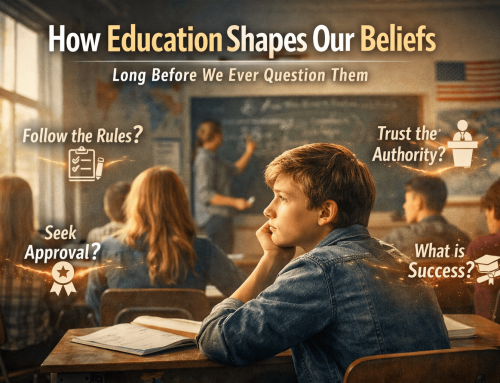
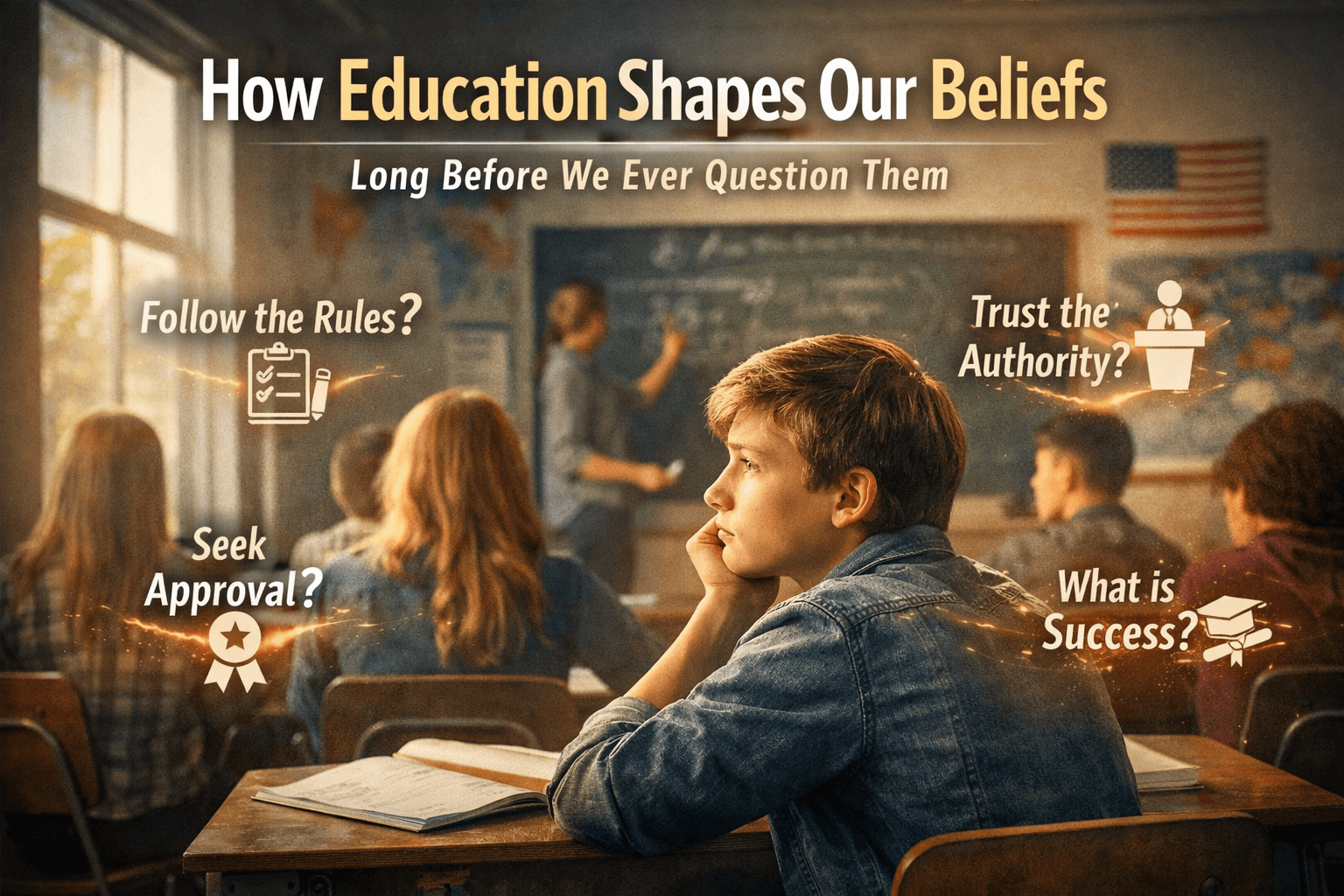
When identity is no longer felt internally, people become dependent on:
-
approval
-
rules
-
narratives
-
systems that tell them who they are
This is not always intentional.
But the result is the same: inner authority weakens.
Part 2: Why This Is a Critical Problem — Creativity as the Clearest Example
Creativity is one of the clearest signals of identity health.
True creativity does not come from effort.
It comes from:
-
alignment
-
resonance
-
inner truth
-
embodied knowing
When identity is weak or fragmented, creativity collapses into imitation.
That’s why so much modern “creation” feels:
-
forced
-
hollow
-
derivative
-
transactional
-
disconnected from meaning
People are taught to:
-
copy what works
-
follow trends
-
optimise for algorithms
-
produce for approval or income
But without identity, creation lacks:
-
authenticity
-
integrity
-
emotional depth
-
staying power
This doesn’t just affect artists or writers.
It affects:
-
business owners
-
leaders
-
parents
-
professionals
When identity is unclear:
-
decisions feel heavy
-
confidence is unstable
-
work becomes exhausting
-
purpose feels borrowed, not lived
Creativity without identity becomes noise.
Part 3: Why Re-Establishing Identity Changes Everything
When identity is restored, something profound happens.
People begin to:
-
trust themselves again
-
feel grounded
-
access intuition
-
create naturally
-
respond instead of react
-
move forward without forcing
Creativity returns — not as hustle, but as flow.
Work becomes:
-
aligned
-
meaningful
-
sustainable
-
expressive of who you are
This is not spiritual theory.
It is lived experience.
When identity stabilises:
-
nervous systems calm
-
clarity increases
-
fear reduces
-
resilience grows
-
people regain agency
This is why identity is foundational, not optional.
Part 4: What the Identity Awakening System (IAS) Exists to Do
The Identity Awakening System exists for one reason:
To help people remember who they are — from the inside out.
IAS does not:
-
impose beliefs
-
assign labels
-
push ideology
-
demand outcomes
Instead, it:
-
restores inner listening
-
helps people recognise emotional and bodily signals
-
reconnects intuition as intelligence
-
guides people one small, aligned step at a time
-
supports creation from authenticity rather than pressure
IAS meets people where they are — especially in moments of confusion, transition, or loss of direction.
It is not therapy.
It is not motivation.
It is not mindset training.
It is identity restoration.
Why This Is No Longer Optional
We are entering a period of:
-
rapid technological change
-
economic instability
-
shifting work structures
-
increasing psychological pressure
Without identity:
-
people fragment
-
creativity collapses
-
fear takes over
-
meaning erodes
With identity:
-
people adapt
-
create
-
contribute
-
stabilise themselves and others
Whether someone uses IAS or not, identity work is unavoidable.
The question is only:
-
Will it happen unconsciously, through stress and crisis?
-
Or consciously, through reflection, alignment, and support?
IAS offers the second path.
Final Thought
Identity is not something to be invented.
It is something to be remembered.
And in a world that is changing faster than ever, remembering who you are may be the most important work any of us can do.