And Why Examining Your Beliefs May Be the Most Important Skill of This Decade
Most people believe they already think critically.
That belief alone is the problem.
Critical thinking isn’t about being clever, educated, or well-read.
It’s about one simple ability:
To notice when a belief is running you — instead of you running the belief.
And that ability is far rarer than we like to admit as we witnessed during Covid!
The Uncomfortable Truth: Humans Are Cognitive Minimalists
Human beings are not wired for truth.
We are wired for efficiency and safety.
Our brains prefer:
-
familiar explanations
-
trusted authorities
-
socially rewarded beliefs
-
narratives that reduce uncertainty
This isn’t a moral failure. It’s biology.
Beliefs save energy.
Questioning costs energy.
So most people don’t examine their beliefs —
they inherit, repeat, and defend them.
Not because they’re stupid.
Because they’re human.
“I Know Enough” Is the Most Dangerous Belief of All
The moment someone says:
“I already know how this works”
critical thinking shuts down.
Not because the person is wrong —
but because certainty closes perception.
History shows this pattern over and over:
-
People don’t resist false ideas
-
They resist having to rethink themselves
IAS starts here, because awakening doesn’t fail due to lack of information.
It fails due to identity attachment to being right.
When Core Beliefs Collapse, It’s Never Comfortable
In recent years, many people have experienced belief shock.
Beliefs they assumed were stable suddenly felt… questionable.
For example:
Medicine & Health
For decades, people were taught:
-
doctors always act in the patient’s best interest
-
guidelines are purely evidence-based
-
dissent equals ignorance
Recent global events challenged that assumption for many — not by providing clear answers, but by revealing conflicts, incentives, and uncertainty that had previously been invisible.
Whether one changed their view or not, the belief itself was no longer unquestioned.
Government & Authority
Many grew up believing:
-
governments exist primarily to protect citizens
-
transparency is the default
-
accountability is guaranteed
In recent years, repeated contradictions, policy reversals, and information control led many to ask a quiet but destabilising question:
“Is authority always aligned with truth — or just power?”
That question alone marks the beginning of critical thinking.
Media & Information
For a long time, mainstream media was treated as:
-
neutral
-
factual
-
corrective
The rise of algorithmic amplification, narrative framing, and selective reporting has forced many to realise:
Information is not just reported — it is shaped.
Again, the point isn’t which outlet is “right”.
It’s the recognition that belief without examination is vulnerability.
Critical Thinking Is Not Cynicism
This matters.
Critical thinking does not mean:
-
distrusting everything
-
rejecting all authority
-
assuming bad intent
-
living in suspicion
That’s not awakening — that’s just inversion.
Critical thinking means:
-
holding beliefs provisionally
-
understanding incentives
-
separating observation from interpretation
-
remaining open to revision
IAS doesn’t replace beliefs with better ones.
It teaches people how to hold beliefs without being owned by them.
Why Belief Examination Feels Threatening
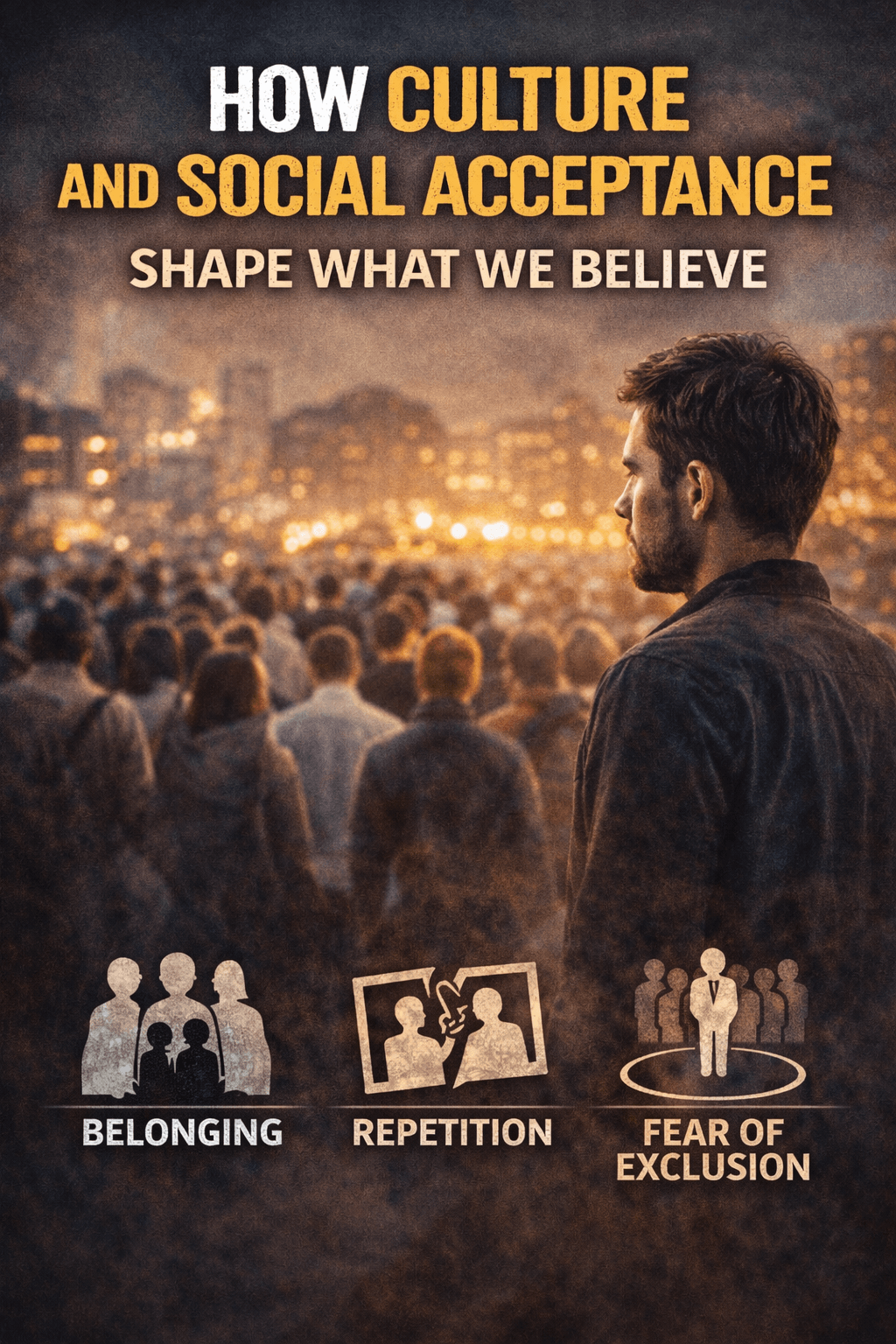
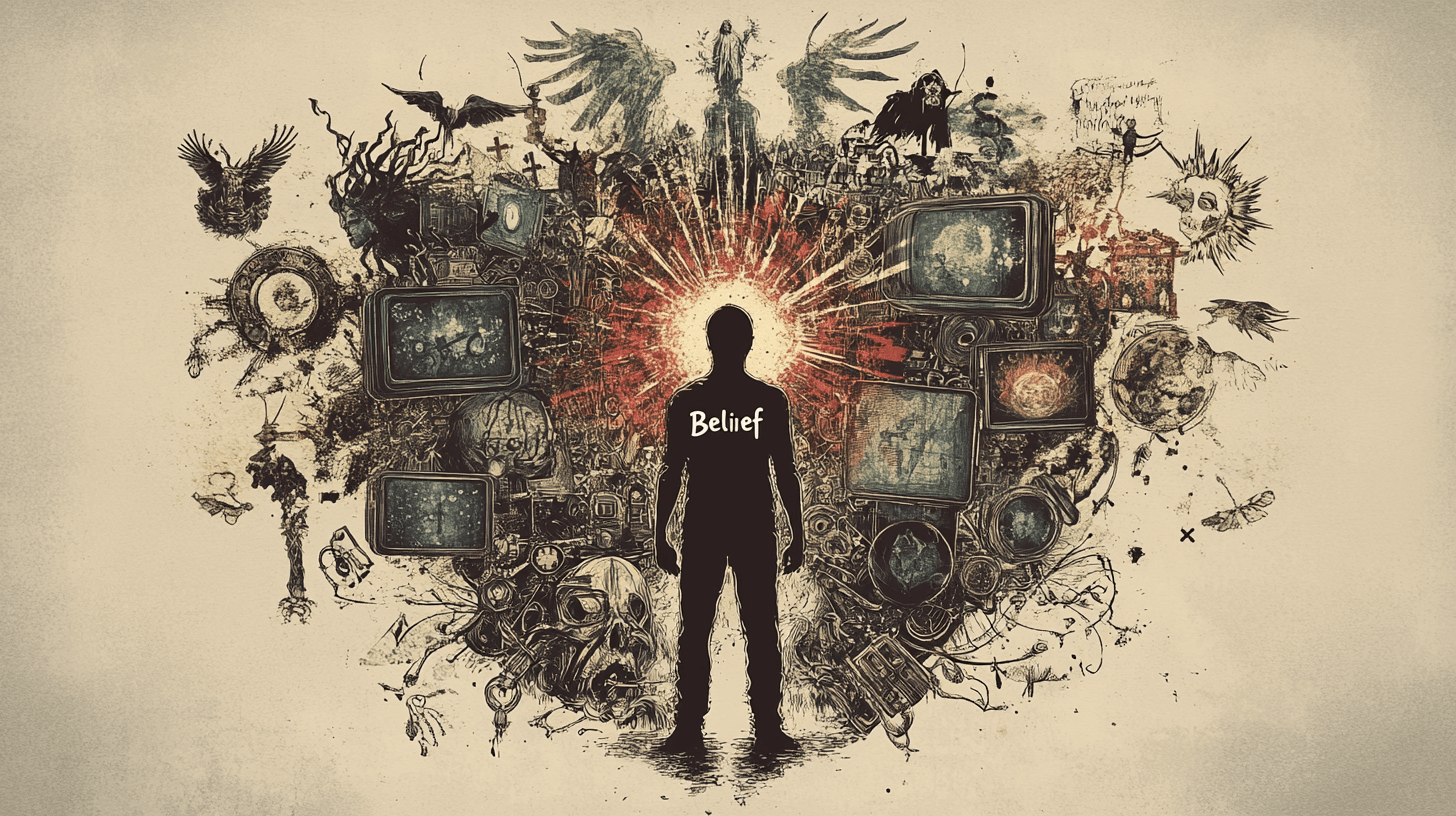
Beliefs aren’t just ideas.
They provide:
-
identity (“this is who I am”)
-
belonging (“this is my group”)
-
safety (“someone knows what’s going on”)
When a belief is questioned, the nervous system reacts as if you are being questioned.
That’s why people defend beliefs emotionally — even when evidence changes.
Critical thinking isn’t an intellectual upgrade.
It’s a capacity upgrade.
The capacity to stay present when certainty dissolves.
The Cost of Not Examining Beliefs
Unexamined beliefs lead to:
-
emotional reactivity
-
outsourced thinking
-
manipulation through fear
-
identity fragility
-
endless conflict
People argue not because they disagree —
but because their sense of self feels threatened.
That’s not freedom.
That’s psychological dependency.
The Core Benefits of Critical Thinking (Identity Awakening System (IAS) Lens)
1. Emotional Regulation
When beliefs loosen, emotional charge reduces.
You respond instead of react.
2. Inner Authority
You stop needing permission to think.
You consult sources — but you don’t surrender to them.
3. Adaptability
When reality changes, you don’t break.
You update.
4. Psychological Sovereignty
You become harder to manipulate — not because you “know the truth”, but because you know how belief works.
5. Quiet Confidence
You don’t need to win arguments.
You don’t need certainty.
You trust awareness more than opinion.
This Is Why the Belief Debugging Map Exists
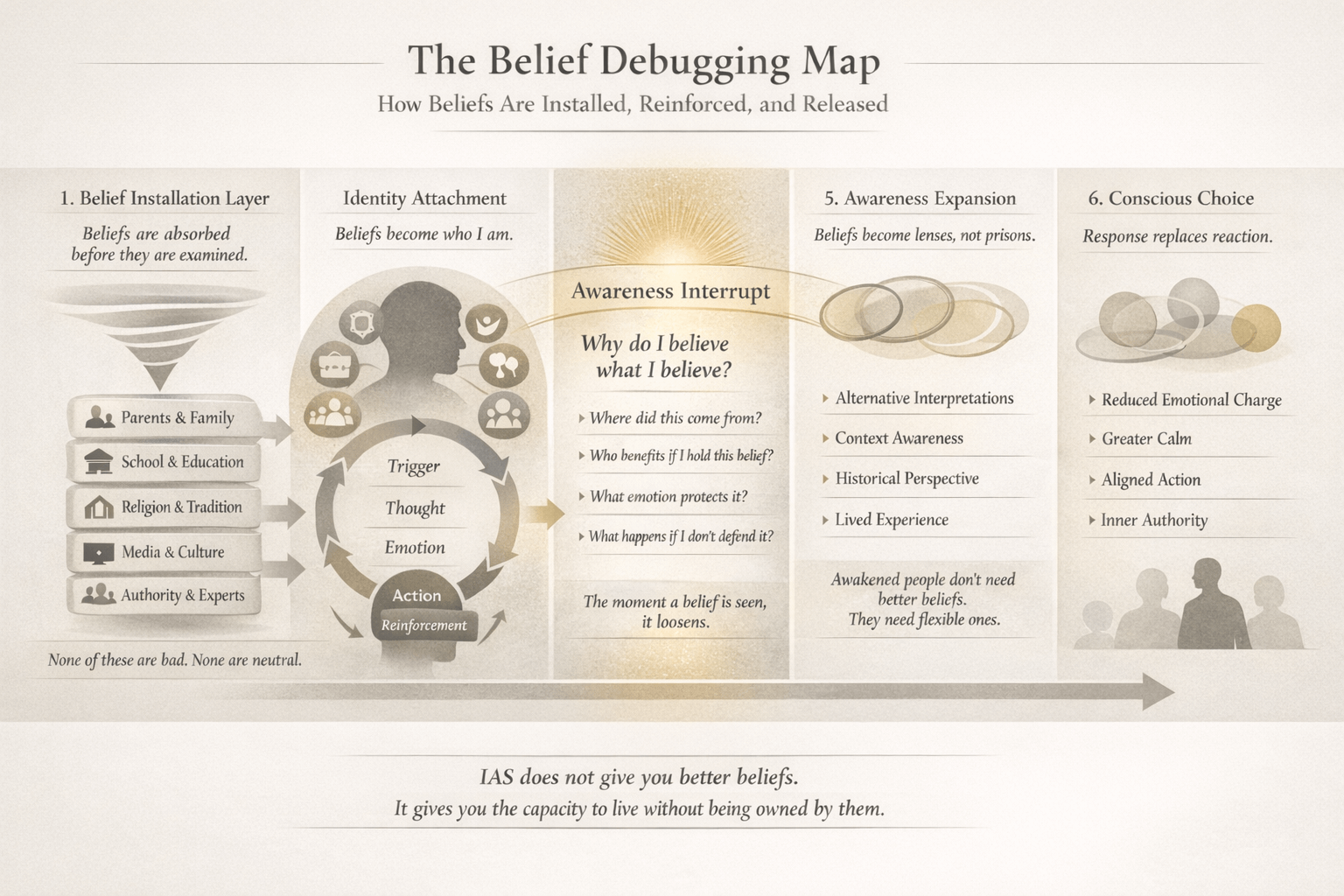
The Belief Debugging Map doesn’t tell people what to think.
It shows them:
-
how beliefs are installed
-
how identity attaches
-
how reaction loops form
-
where awareness interrupts the process
Once someone sees this, something irreversible happens.
They can’t unsee it.
And that’s the beginning of awakening — not spiritually, but structurally.
The Invitation (Not a Command)
You don’t need to abandon your beliefs.
You don’t need to agree with anyone.
You only need the courage to ask one question — sincerely:
“Why do I believe what I believe?”
If you can sit with that question without rushing to defend yourself,
you’re already thinking critically.
And in this era, that may be the most valuable skill you can develop.