As I document the development of IMMachines, one thing has become very clear:
Traffic doesn’t come from chasing platforms.
It comes from structure.
For a long time, I did what most creators do.
I wrote blog posts.
I published ideas.
I launched products.
But everything lived in isolation.
Good content — disconnected.
Strong ideas — scattered.
Meaningful work — hard to find.
That’s when I stopped asking “How do I get more traffic?”
and started asking a better question:
“How do people actually move from confusion → clarity → commitment?”
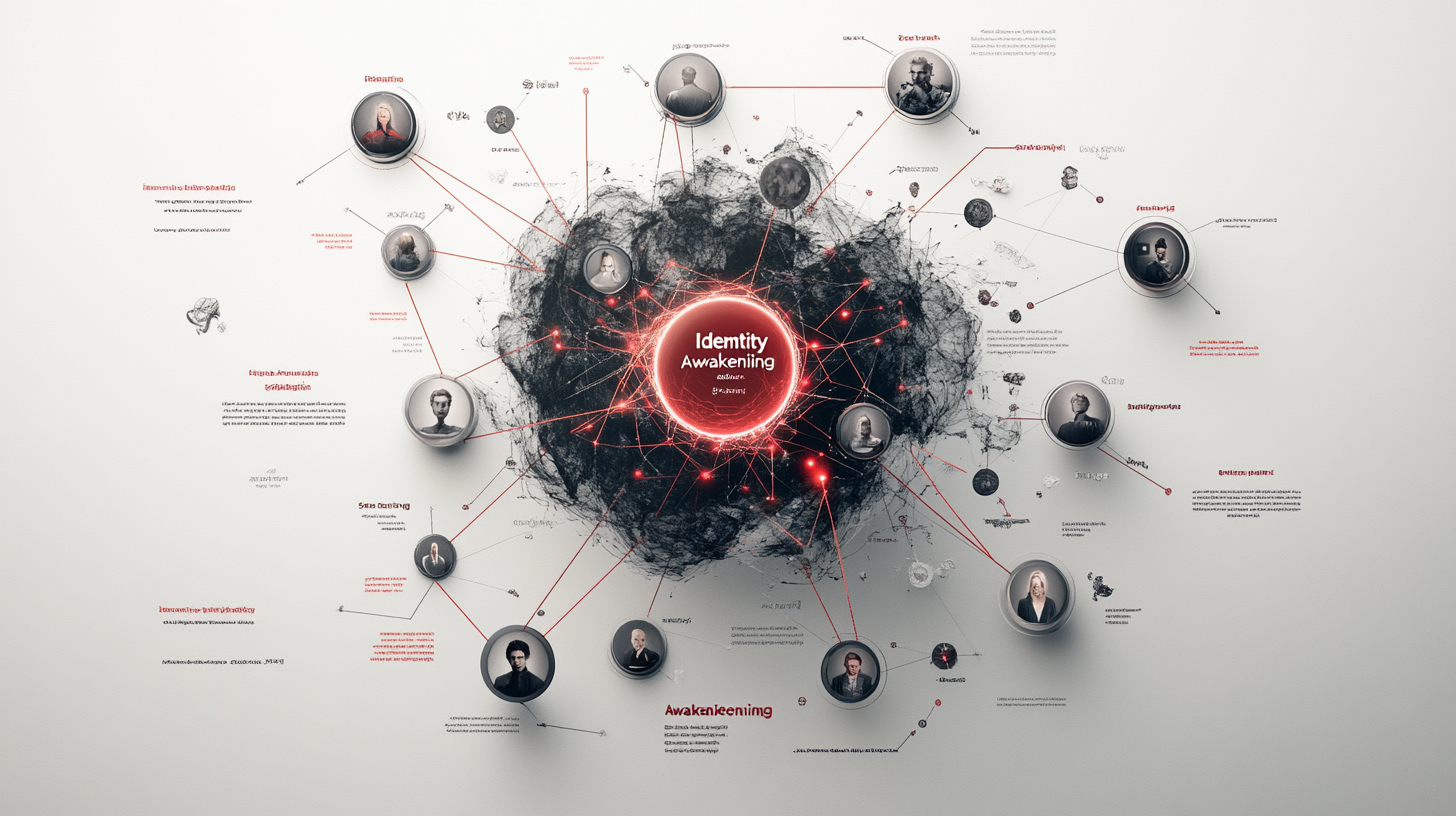
This post explains the hub-and-spoke strategy I’m now using across IMMachines — and how it connects my Nano Books, blog posts, and the Identity Awakening System into a single, coherent ecosystem.
The Problem With Random Content (Even When It’s Good)
Most content strategies fail for one simple reason:
They assume attention is linear.
Publish → get traffic → convert.
But identity-based change doesn’t work that way.
People arrive in different states:
-
confused
-
displaced
-
successful but misaligned
-
stuck in patterns
-
questioning their direction
If you send everyone to the same page, most bounce.
Not because the content is bad —
but because it doesn’t meet them where they are.
The Solution: Hub-and-Spoke (Built Around Identity, Not SEO Tricks)
Here’s the structure I’m now using:
 The Hub
 The Hub
A central page that explains:
-
what IMMachines is really about
-
how identity drives outcomes
-
how the different systems fit together
-
where to start depending on your situation
For IMMachines, that hub is:
 The Identity Systems Hub
(where all identity-based tools and books converge)
This page doesn’t chase keywords.
It establishes authority, coherence, and trust.
Search engines like it.
Humans understand it.
The Spokes
Each Nano Book and key blog post becomes a spoke.
Each spoke:
-
targets a specific life situation
-
answers a specific identity question
-
links back to the hub
-
gently introduces the Identity Awakening System as the stabiliser
Examples of spokes already live on IMMachines:
-
Leaving School in an Age of AI: What Next?
-
AI Took My Job — What the Hell Do I Do Now?
-
Trapped in Minimum Wage
-
The Path I Followed No Longer Makes Sense
-
Identity Awakening (Core Principles)
Each of these speaks to a moment of identity disruption.
That’s deliberate.
Why Nano Books Are the Perfect Spokes
Nano Books do something blog posts alone can’t:
They create psychological commitment.
When someone reads a Nano Book:
-
they slow down
-
they engage more deeply
-
they see themselves in the material
-
they move from curiosity → reflection
Each Nano Book:
-
stands alone
-
solves one specific problem
-
but points inward — toward identity
This makes them ideal traffic entry points and conversion bridges.
How the Identity Awakening System Fits In (Without Being Pushed)
Here’s the key distinction in my ecosystem:
The Nano Books explain the problem.
The Identity Awakening System handles the transition.
I don’t position IAS as:
-
a quick fix
-
a manifestation hack
-
a motivation system
It’s positioned as:
A stabilisation framework for identity during change.
When readers recognise themselves in a Nano Book, the question naturally becomes:
“Okay… if this is an identity issue — what actually helps me move through it?”
That’s where IAS fits.
Not as an upsell.
As the next logical step.
How This Strategy Builds Topical Authority (Without Keyword Stuffing)
Search engines don’t just rank pages anymore.
They rank topics.
This structure tells Google (and readers):
-
IMMachines covers identity disruption deeply
-
it addresses AI, work, motivation, meaning, transition, and direction
-
it has multiple entry points, all leading to a coherent core
Each spoke links:
-
back to the hub
-
to related Nano Books
-
to relevant IAS explanations
This creates dense internal linking, which:
-
improves crawlability
-
increases time on site
-
strengthens topical authority
-
reduces bounce
And importantly — it feels natural, not forced.
Why Pages vs Blog Posts Don’t Matter As Much As Structure
People often worry about:
-
tags
-
categories (although I have done some work on these so the purpose of my site becomes clear.)
-
page vs post
In practice, what matters more is:
-
clear internal linking
-
descriptive headings
-
consistent language
-
obvious pathways
My approach:
-
Hub page = clarity + navigation
-
Blog posts = education + storytelling
-
Nano Books = depth + commitment
All roads lead back to identity.
What I’m Building (And Why I’m Documenting It)
IMMachines isn’t just a store.
It’s a living system.
I’m documenting this build because many creators are facing the same challenge:
-
too much content
-
no structure
-
no clear conversion path
-
no unifying idea
This hub-and-spoke model:
-
respects the reader’s state
-
avoids hype
-
works with human psychology
-
and compounds over time
It’s slower than chasing trends.
But it’s far more stable.
Where to Start If You’re New
If you’re reading this and wondering where you fit:
-
Start with the Nano Book that matches your current situation
-
Don’t rush to “fix” anything
-
Let understanding come first
-
Then explore the Identity Awakening System when you’re ready
That’s how this ecosystem is designed to work.
Explore the Identity Systems:
 Explore the Identity Systems:
 https://immachines.com/shop-identity/
Final Thought
This strategy isn’t about traffic.
It’s about orientation.
When people understand where they are —
they stop searching randomly.
They start moving deliberately.
That’s what IMMachines is being built to support.