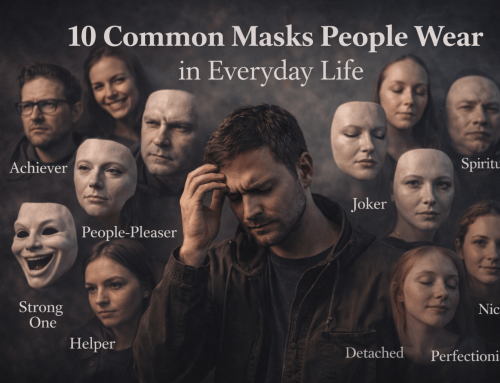

This post is part of an ongoing exploration into identity — what it is, how it becomes disrupted, and what begins to change when it starts to return.
In this piece, we’ll explore:
-
Why work feels draining for so many people
-
How identity becomes compromised inside jobs
-
Why stress, burnout, and disengagement are so common
-
What happens when identity stabilises
-
Why rebuilding identity must come before rebuilding work
-
How people are beginning to relate to work differently
This isn’t an attack on work.
It’s an explanation of why the current model no longer fits human beings.
1. The Surface Problem: Why Work Feels Heavy
For millions of people, work feels like something to endure.
They feel:
-
tired before the day begins
-
anxious on Sunday evenings
-
mentally busy but creatively empty
-
underused or unseen
-
replaceable
Even those in “good jobs” often feel:
-
constrained
-
micromanaged
-
unable to think freely
-
afraid to speak honestly
On the surface, this looks like:
-
burnout
-
quiet quitting
-
disengagement
-
constant job-hopping
-
fear of change
And the advice is familiar:
“Be grateful you have a job.”
“That’s just how work is.”
“Find work–life balance.”
“Push through — everyone does.”
But something deeper is happening.
2. The Deeper Issue: Work Often Overrides Identity
Most modern jobs require people to operate from someone else’s identity.
They must:
-
follow decisions they wouldn’t make
-
prioritise goals they didn’t choose
-
suppress intuition in favour of rules
-
trade time for money regardless of alignment
-
fit into systems not designed for human wellbeing
Over time, this teaches people to:
-
distrust their inner signals
-
silence creative impulses
-
override what feels true
-
disconnect from their own authority
This isn’t because people are weak.
It’s because identity is not welcome inside most structures.
3. Why Jobs Are So Often Stressful
Stress isn’t caused by effort alone.
Stress is what happens when your inner guidance system is overridden.
Jobs are stressful because:
-
decisions are externally imposed
-
autonomy is limited
-
creativity is controlled
-
thinking is constrained
-
intuition is dismissed
Even well-paid roles can feel unbearable if:
-
you cannot act from alignment
-
you cannot question direction
-
you cannot express your perspective
-
you cannot adjust pace or rhythm
This is why stress often disappears on holidays —
and returns within days of going back.
4. Why Self-Employment Can Be Stressful Too
Many people assume self-employment will fix everything.
But without identity, self-employment can be just as stressful.
Why?
Because:
-
pressure replaces structure
-
uncertainty replaces authority
-
income fear replaces management fear
-
self-worth becomes tied to output
Without identity, people:
-
force ideas that don’t resonate
-
chase trends they don’t believe in
-
copy others instead of creating
-
burn out trying to “make it work”
Freedom without identity becomes chaos.
5. What Changes When Identity Stabilises
When identity begins to stabilise, work is experienced differently.
People start to:
-
feel clearer about what they will and won’t do
-
sense when something is misaligned
-
stop forcing themselves into roles
-
recognise when it’s time to stay, adjust, or leave
-
reclaim authority over their time and energy
They don’t immediately quit.
They don’t panic.
They don’t rush.
They rebuild from the inside out.
6. Why Identity Must Come Before Rebuilding Work
Most people try to rebuild work first.
They:
-
change jobs
-
retrain
-
start businesses
-
learn new skills
But without identity, this is like building on sand.
When identity leads:
-
work becomes an expression, not a compromise
-
effort feels purposeful, not draining
-
income becomes a response to value, not survival
-
creativity returns naturally
This is not about rejecting work.
It’s about restoring sovereignty inside it.
7. A Gentle Bridge (No Pressure)
Some people reach this understanding through burnout.
Others through redundancy.
Others through quiet dissatisfaction.
Some choose structured support.
One such framework is the Identity Awakening System (IAS) —
a gentle, AI-assisted process designed to help people:
-
reconnect with inner guidance
-
understand why work feels heavy
-
stabilise identity before change
-
take aligned steps without panic
-
rebuild work from truth rather than fear
IAS doesn’t tell you what job to do.
It helps you remember who you are while you do it.
Closing Reflection
You were not meant to feel small inside your work.
If work has been draining you,
it may not be because you lack discipline or ambition —
but because your identity has been sidelined.
When identity returns,
work stops being a place you disappear —
and becomes a place you express from.
Gentle Next Steps (Choose What Fits)
-
If work feels heavy but you want something gentle, the Return to Yourself Experience helps you feel alignment again without pressure.
-
If work stress is part of a larger disruption — redundancy, financial pressure, or forced change — Life Transitions offers grounding before decisions.
-
If you’re ready to rebuild work from identity, the full Identity Awakening System provides a deeper structure.